

July 23, 2026
By Adjoa Kyerematen
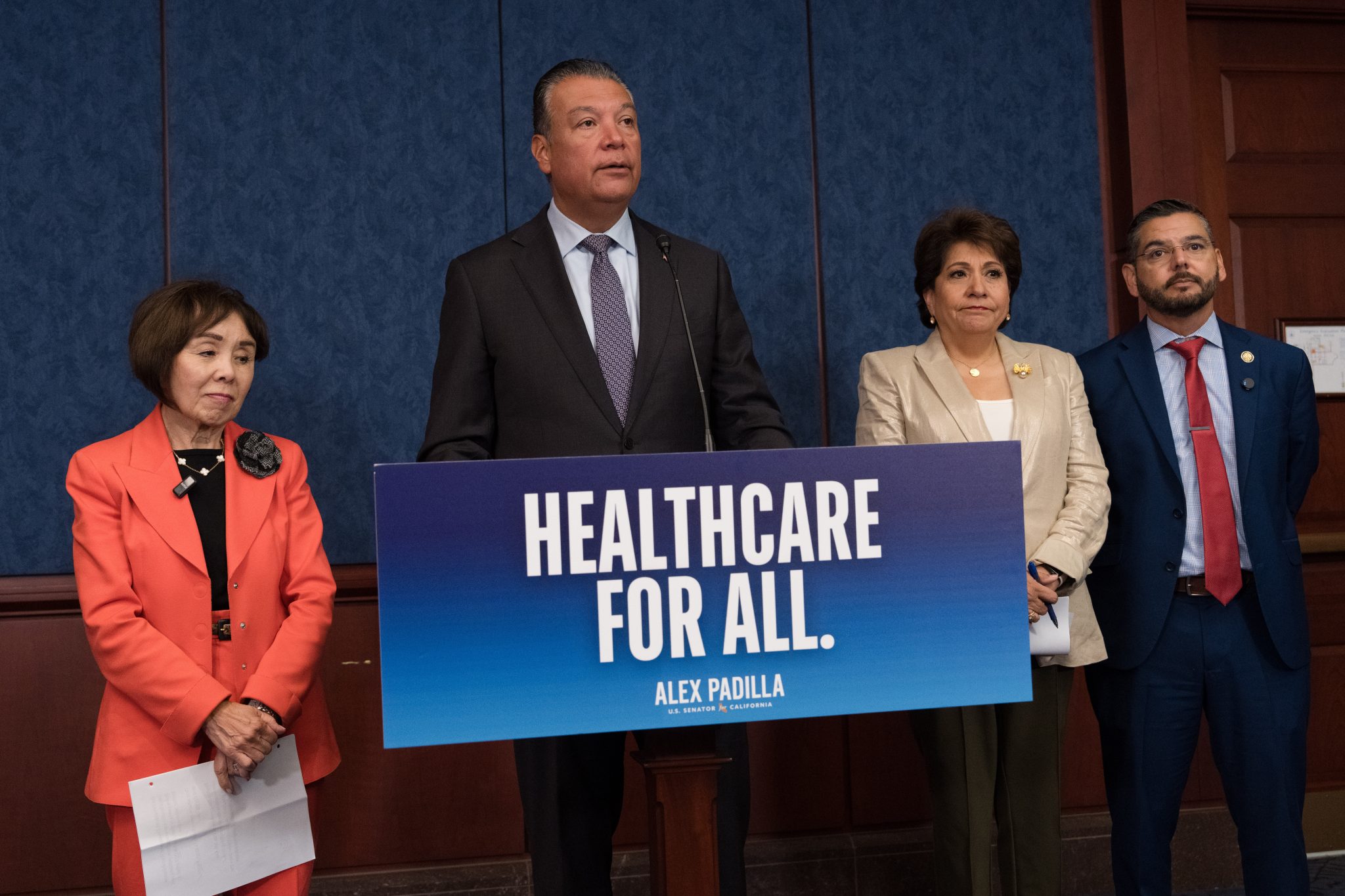
NMQF Endorses the Health Equity and Accountability Act of 2026
Read More
FOR IMMEDIATE RELEASE
Media Contact:
Adjoa Kyerematen
akyerematen@nmqf.org
202-220-8505
Empowering Black and Latina Women Living with Metastatic Breast Cancer and Chronic Conditions
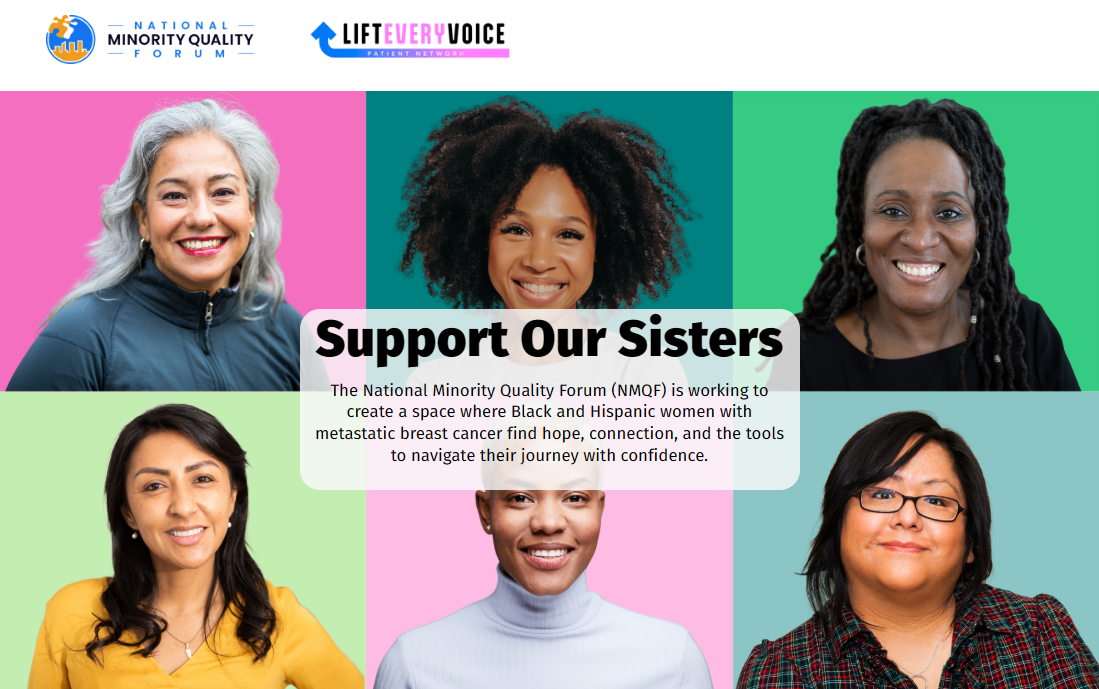
Washington D.C. (October 1, 2025) — The National Minority Quality Forum (NMQF) today announced the launch of Take Back Your Life, a new campaign from its Support Our Sisters, an initiative designed to uplift, connect, and empower Black and Hispanic women living with metastatic breast cancer (mBC) and managing other long-term illnesses—particularly illnesses such as diabetes, hypertension, and mental health challenges.
Grounded in the voices and lived experiences of women with mBC from NMQF’s Support Our Sisters patient network, the Take Back Your Life campaign reframes metastatic breast cancer as a condition that can be managed — not a death sentence. The campaign will occur throughout the month of October which is widely recognized as Breast Cancer Awareness Month to also shine light on the circumstances of many women with metastatic breast cancer from minoritized communities.
“Take Back Your Life is about reclaiming peace of mind by knowing how to navigate a complex health system while living with metastatic breast cancer and other chronic conditions,” said Adjoa Kyerematen, Vice President of Communications and Public Affairs, NMQF. “Our survey research showed that many metastatic breast cancer patients are battling many issues in addition to their cancer. By elevating these issues, NMQF is working to reduce preventable harm and improve quality of life for women of color managing complex care.”
NMQF’s Support Our Sisters patient network offers an online peer-to-peer Facebook support group that provides a culturally relevant, safe space to exchange stories, share resources, and find encouragement. The initiative reflects NMQF’s commitment to address the growing risks of polypharmacy faced by women balancing mBC treatment with medications for chronic illnesses. Many patients experience adverse drug reactions, missed doses, or dangerous interactions when prescriptions overlap.
“Support Our Sisters was created to ensure that Black and Hispanic women managing metastatic breast cancer alongside other long-term illnesses are not navigating this journey in isolation. Too often, their voices and needs are overlooked in traditional cancer care spaces. By centering their lived experiences and partnering with trusted organizations, we’re building a community that not only offers emotional support but also equips patients and caregivers with the culturally relevant tools they need to take back their life and thrive through every stage of care,” said Taylarr Lopez, MPH, Health Communications Director, NMQF.
NMQF’s initiative is built on insights from a nationwide survey and an mBC Listening Lab, which captured the voices of patients and caregivers from across the country:
These findings are detailed in NMQF’s newly released issue brief, Improving Care for Women with Metastatic Breast Cancer and Chronic Conditions: Addressing the Complex Needs of Black and Hispanic Women. The report highlights gaps in provider communication and the urgent need for whole-person, culturally attuned care.
To expand the reach and impact of Support Our Sisters, NMQF is partnering with The After Cancer and the Patient Empowerment Network (PEN). These collaborations will bring trusted educational content, survivor-led workshops, and tailored mBC resources to patients and their caregivers.
“Having digestible, credible, and informative resources available for patients and their care partners at every stage of the disease, from screening and initial diagnosis to exploring treatment options, survivorship and beyond, is essential. Educational programs and materials must reflect the communities they serve by using clear, simplified language, offering content in the languages patients and their families are most comfortable with, and incorporating culturally relevant images. This empowers patients, care partners, and healthcare professionals to actively participate in their care and engage in shared decision-making. That’s how we build trust and ensure the information truly resonates,” said Aïcha Diallo, Vice President of Programs, Patient Empowerment Network.
To learn more and get involved, visit SupportOurSisterswithmBC.org to view the full survey results, share a patient or caregiver story, join the Support Our Sisters patient network, and access our Facebook support group.
For questions or partnership inquiries, please contact Taylarr Lopez at tlopez@nmqf.org
###
About National Minority Quality Forum
Founded in 1998, National Minority Quality Forum (NMQF) is a United States-based, health care research, education and advocacy organization whose mission is to reduce patient risk and advance health equity by assuring optimal care for all. The mission is to reduce patient risk of hospitalizations, emergency room visits, disabilities, and death, while also promoting high-quality, long lives, particularly for the most vulnerable. NMQF utilizes data and research to support and mobilize healthcare organizations, leaders, policymakers, and patients in advocating for optimal care for every individual, especially those in minoritized communities. For more information, please visit http://www.nmqf.org.


July 23, 2026
By Adjoa Kyerematen

May 20, 2026
By Adjoa Kyerematen

May 08, 2026
By Subash Kafle
May 07, 2026
By Subash Kafle

April 28, 2026
By Victor Mejia Lacayo
April 27, 2026
By Victor Mejia Lacayo