

March 06, 2026
By Adjoa Kyerematen
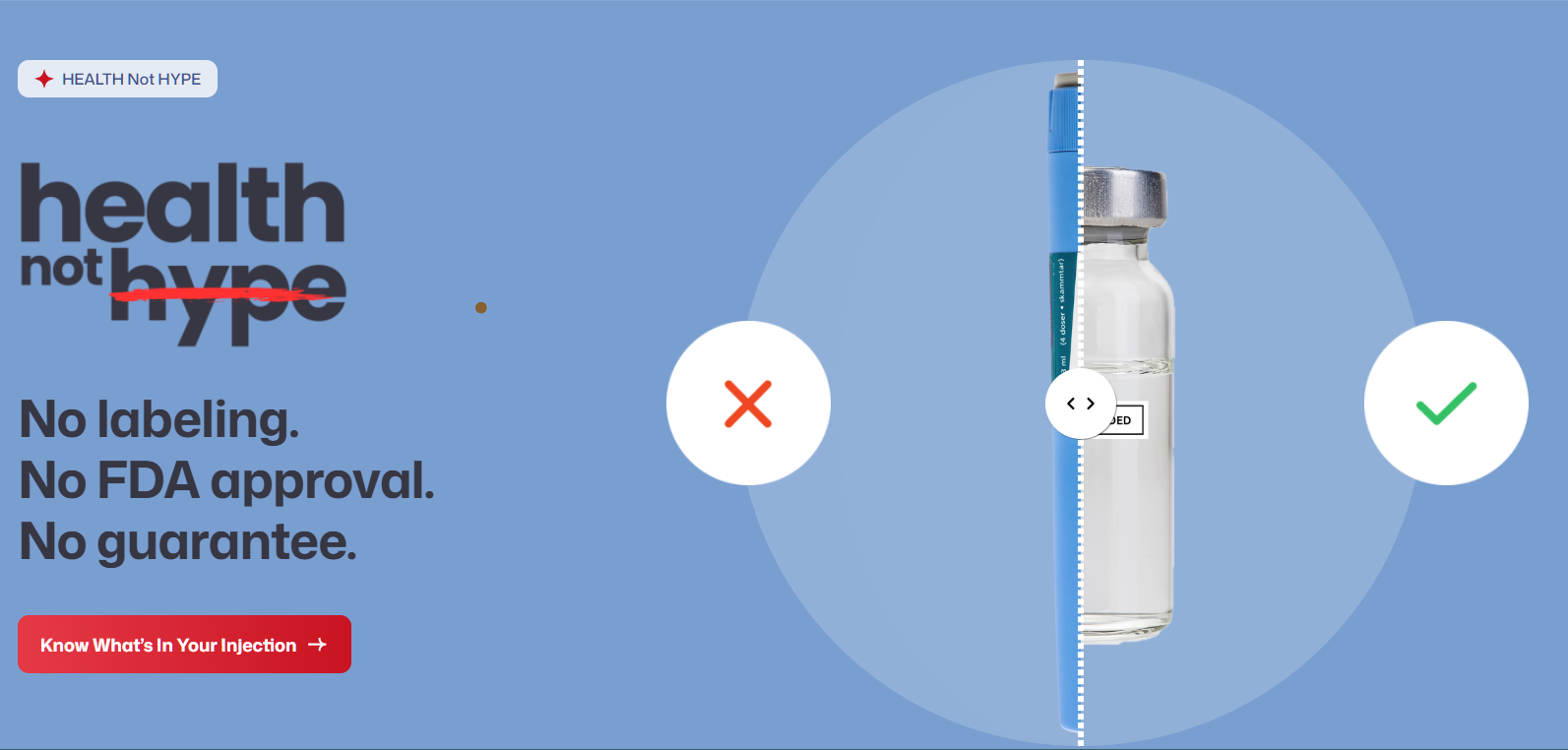
National Minority Quality Forum Launches “Health Not Hype” Campaign During Obesity Care Week to Warn Patients About Risks of Compounded GLP-1 Drugs
Read More
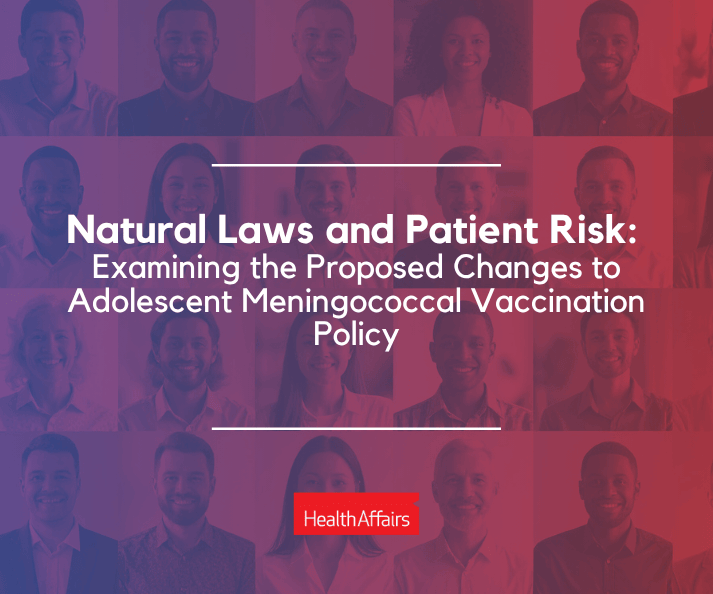
Washington, D.C. [August 12, 2025] — Leading clinicians and public health policy experts are warning that proposed changes by the Advisory Committee on
Immunization Practices (ACIP) to delay the first dose of the quadrivalent meningococcal ACWY (MenACWY) vaccine until age 16 could leave millions of
adolescents unprotected during their most formative teen years—contradicting the Physical Laws Framework (PLF) and undermining decades of disease prevention
progress.
The National Minority Quality Forum (NMQF) today announced the publication of the third article in its sponsored Health Affairs series on the Physical Laws Framework (PLF)—a science-driven approach to aligning healthcare policy with the biological realities of the human body and the operational realities of the healthcare system.
Under the current evidence-based schedule, adolescents receive the first MenACWY dose at 11–12 years old, followed by a booster at age 16. This timing aligns with the immune system’s natural development and periods of heightened risk for meningococcal exposure. ACIP’s proposal would eliminate the early adolescent dose,
creating a multi-year gap in immunity at precisely the stage when social interactions—and potential exposure—expand dramatically.
PLF, a science-driven approach to policy evaluation, emphasizes that effective healthcare decisions must work with the biological realities of the human body and
the systemic realities of healthcare delivery. In this context, the proposed delay disrupts the precise timing required for optimal protection, introducing unnecessary
risk.
“This policy shift is misaligned with the Physical Laws Framework,” said Paritosh Kaul, MD, co-author of the analysis. “By ignoring the biological law that protection must precede risk, ACIP would create an avoidable vulnerability in adolescent health.”
The analysis also underscores persistent racial and ethnic disparities in meningococcal vaccination. CDC data show coverage among Black adolescents lags
5–7% behind White adolescents, with similar gaps for Hispanic adolescents. Disparities widen to 8–10% for completion of the two-dose series. Black adolescents
face meningococcal disease rates 1.5 to 2 times higher than White peers—making early protection even more critical.
Compounding the concern, 36 states currently require MenACWY vaccination for middle school entry, based on ACIP guidance. If ACIP drops the 11–12-year-old
recommendation, many states could rescind these requirements, leading to lower vaccination rates and widening inequities.
The authors call on ACIP to:
● Maintain the current two-dose schedule to preserve continuous protection.
● Strengthen equity-focused interventions by targeting low-coverage communities with culturally competent outreach, education, and school-based vaccination programs.
● Integrate surveillance with PLF principles to monitor biological protection timing, coverage disparities, and disease incidence.
● Address systemic barriers to vaccination, including provider access, insurance gaps, and implicit bias in vaccine delivery.
“The PLF reminds us that efficiency can never come at the expense of biological protection,” said Wendy L. Wright, DNP, co-author. “We must design policies that preserve the natural alignment between risk, immune readiness, and equitable access to care.”
The authors conclude that any meningococcal vaccination policy must enhance, not erode, biological alignment. The PLF makes clear: protection delayed is protection denied—especially for populations already facing disproportionate disease burden.
Join the discussion at http://conservelife.org
About the Authors
Paritosh Kaul, MD (Aurora, CO) and Wendy L. Wright, DNP (Amherst, NH) are recognized leaders in preventive care, public health, and health equity policy.
About NMQF:
Founded in 1998, the National Minority Quality Forum (NMQF) is a United States-
based health care research, education, and advocacy organization whose mission is
to reduce patient risk and advance health equity by ensuring optimal care for all.
NMQF utilizes data and research to support and mobilize healthcare organizations,
leaders, policymakers, and patients in advocating for biologically-aligned care that
reduces hospitalizations, disabilities, and deaths while promoting high-quality, long
lives, particularly for the most vulnerable. For more information, visit www.nmqf.org.


March 06, 2026
By Adjoa Kyerematen
February 05, 2026
By Adjoa Kyerematen
February 03, 2026
By Adjoa Kyerematen

January 29, 2026
By Adjoa Kyerematen

January 20, 2026
By Adjoa Kyerematen

December 19, 2025
By Victor Mejia Lacayo